Category: 3D Printing Guides

Cutting the STL File – How to Split a 3D Model for Printing
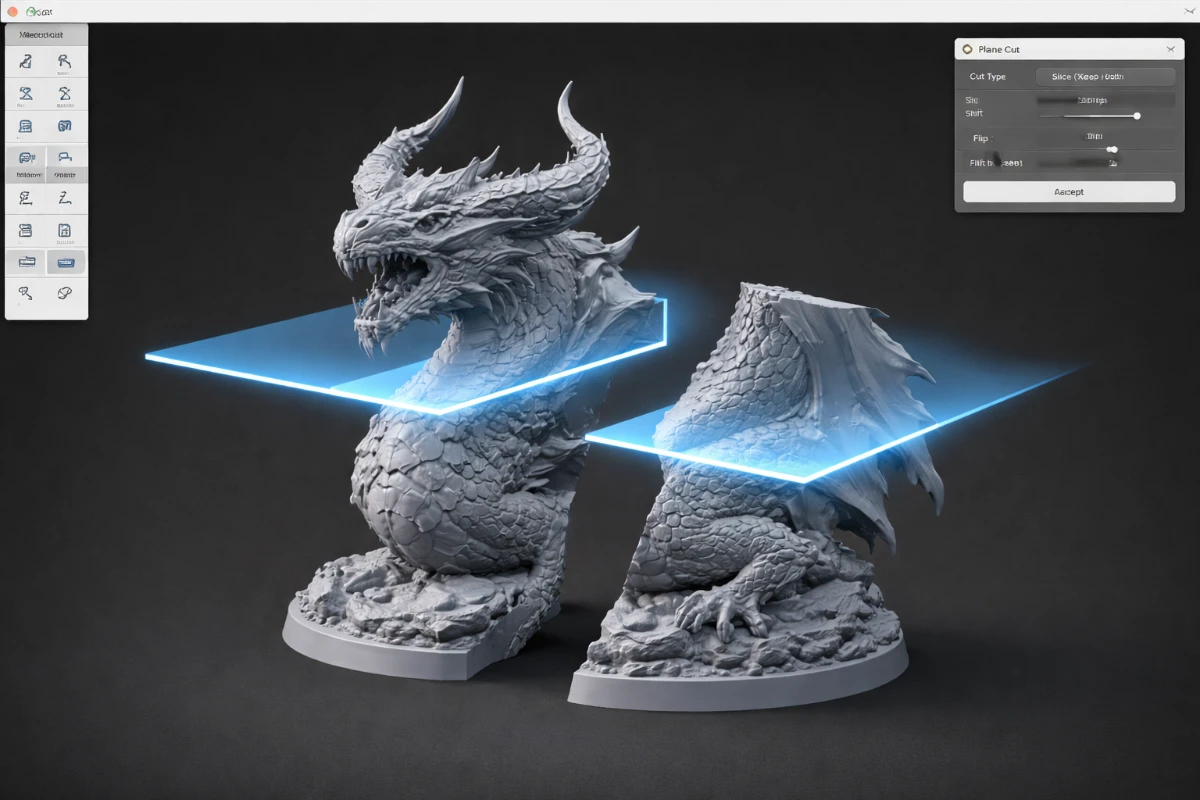
Cutting an STL file into multiple separate parts is a fundamental technique in 3D printing. Whether your model is too large for your build plate, has impossible overhangs in one piece, or you want to print sections in different colors, knowing how to split STL files cleanly is an essential skill for any serious 3D…
What is Easier to 3D Print – Bust, Full Figure, or Separate Parts?
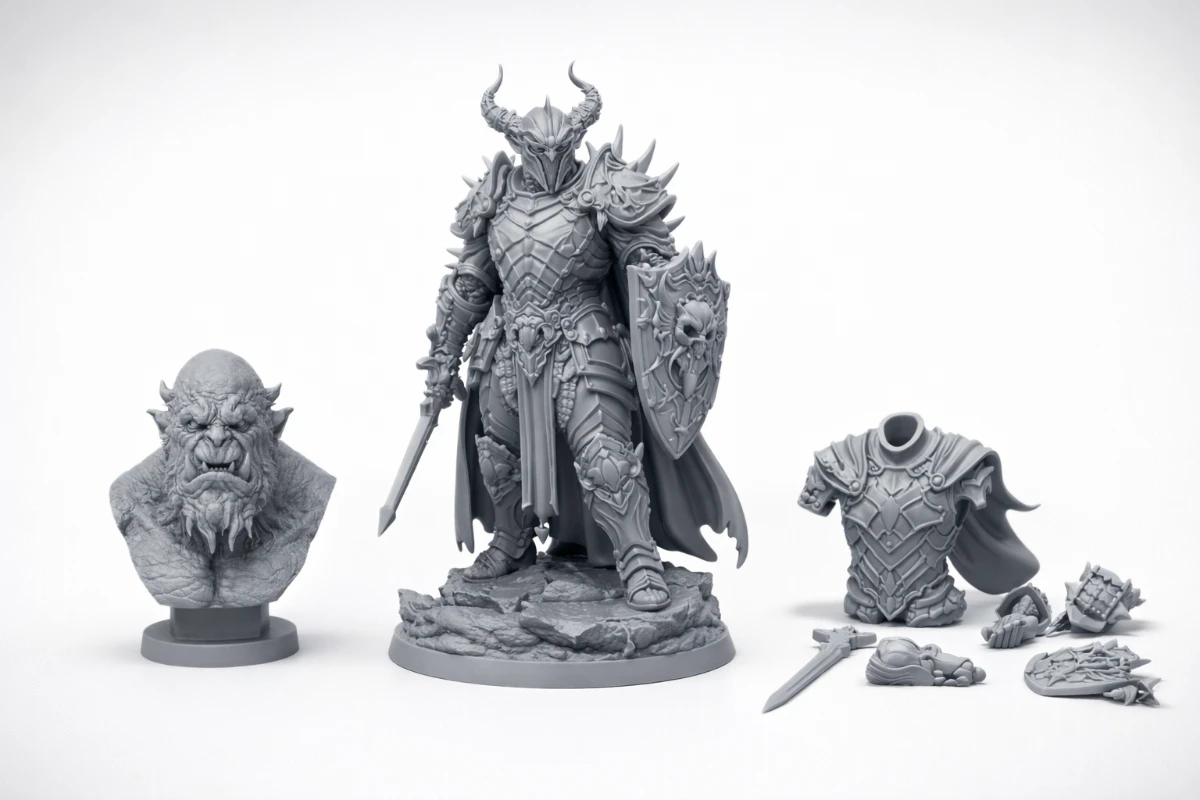
From a 3D printing perspective, the physical complexity of printing a bust, a full figure, or a figure that has been separated into individual parts varies significantly. Understanding these differences will help you choose the right approach and avoid costly print failures. Why Print Complexity Matters Every 3D print faces challenges based on geometry: overhangs…
Differences Between SLA and FDM 3D Printers
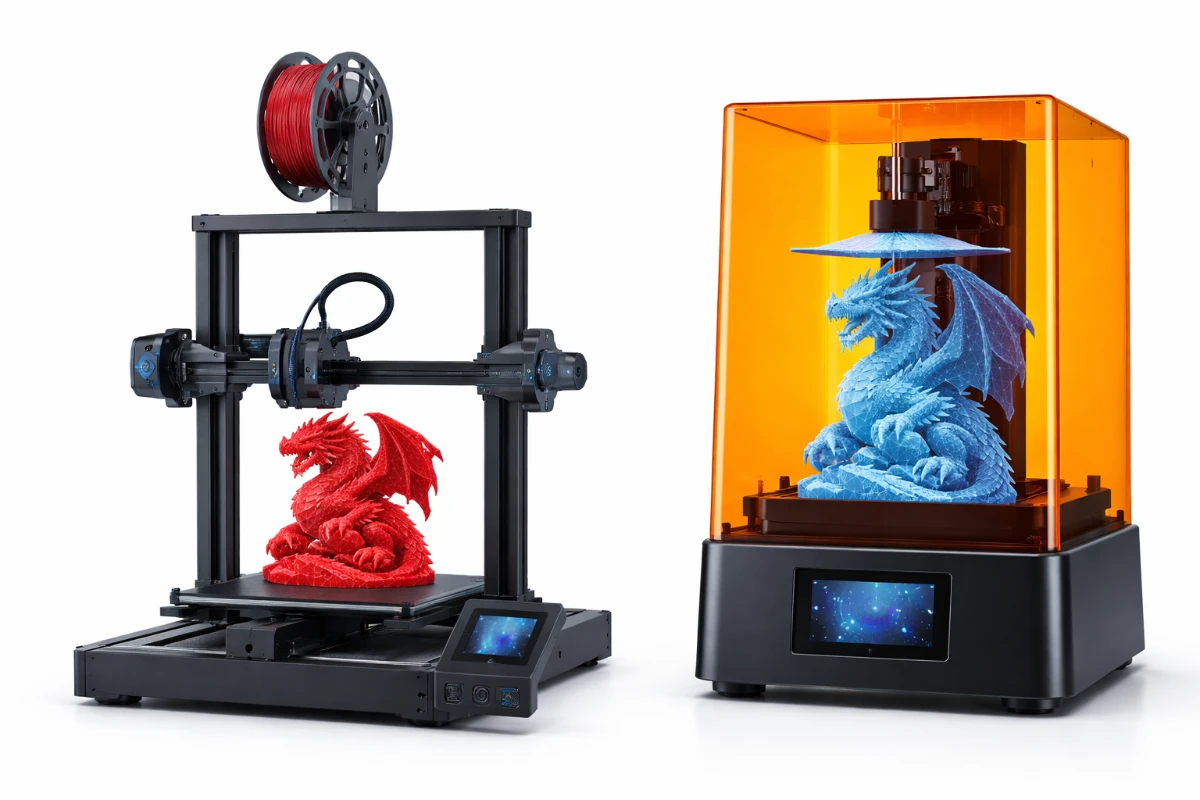
SLA and FDM are the two most popular 3D printing technologies available to consumers and professionals alike. Each uses a fundamentally different process to create objects, resulting in very different strengths and weaknesses. Understanding these differences is essential for choosing the right printer for your needs. How FDM (Fused Deposition Modeling) Works FDM printers work…
How to Choose a Good File for 3D Printing
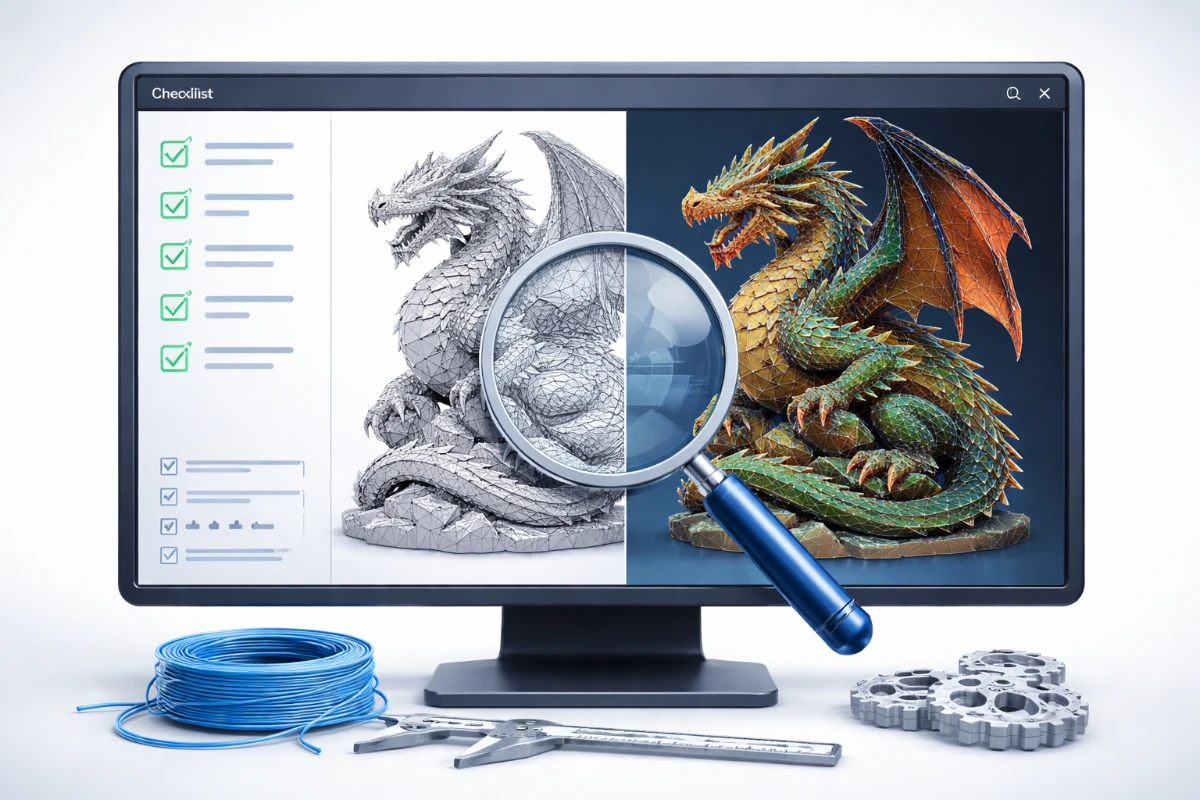
Not all 3D files are created equal. Choosing a good file for 3D printing can save you hours of failed prints, wasted material, and frustration. Whether you are downloading a file from an online repository or exporting from your own modeling software, there are several key criteria to evaluate before hitting print. Why File Quality…
Slicer Software – Everything You Need to Know for 3D Printing
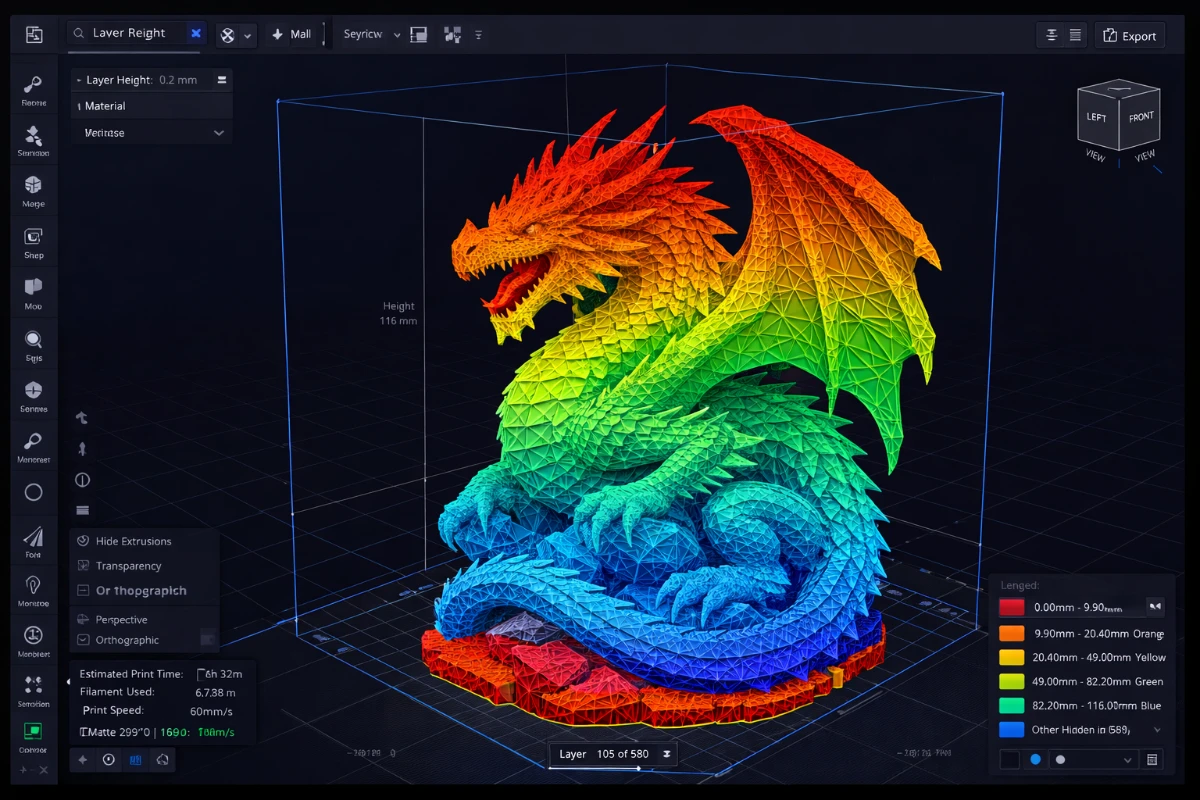
A slicer is the essential bridge between your 3D model and your 3D printer. It is software that converts a 3D model (STL or OBJ) into instructions (G-code) that a 3D printer can follow, by “slicing” the model into thin horizontal layers. Without a slicer, your printer has no way to know how to physically…